Ashwagandha: The timeless herb fusing ancient wisdom and modern wellness
10/13/2026 / By Ava Grace
- Ashwagandha, a key herb in Ayurvedic medicine for over 3,000 years, is known as “Indian ginseng” or “winter cherry.” It has been traditionally used to treat fatigue, stress, joint pain and reproductive issues and is revered for its rejuvenating properties.
- Modern research highlights ashwagandha’s bioactive compounds, such as withanolides, which exhibit anti-inflammatory, antioxidant, and immune-modulating effects. These compounds support stress management, cognitive health, energy levels, and hormonal balance.
- Ashwagandha is effective in reducing stress and anxiety, combating fatigue, improving cognitive function, supporting immune health, balancing hormones and alleviating inflammation and joint pain.
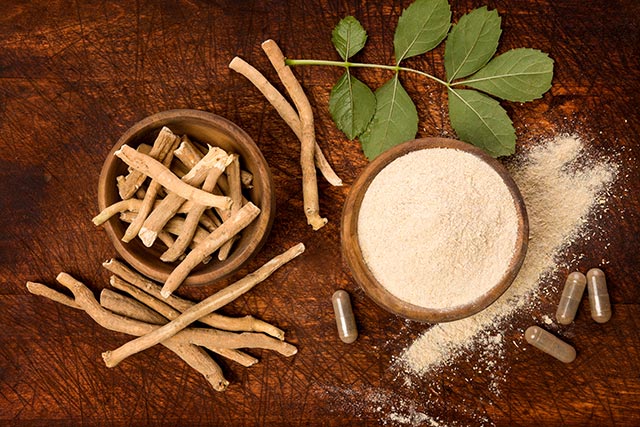
- The herb can be consumed in various forms, including powders, capsules, teas and tinctures. It is commonly incorporated into recipes like lattes, smoothies and energy bites for easy daily integration.
- Once primarily used in India, ashwagandha has gained global recognition as an adaptogen, appealing to athletes, fitness enthusiasts, and wellness seekers for its endurance-boosting and recovery-enhancing properties.
Ashwagandha (Withania somnifera), a revered herb in traditional Ayurvedic medicine, has been a cornerstone of holistic health for thousands of years. Known as the “Indian ginseng” or “winter cherry,” this evergreen shrub belongs to the Solanaceae family, which includes tomatoes, potatoes, and eggplants.
Native to India, Nepal, the Middle East and parts of Africa, ashwagandha thrives in arid regions and has been cultivated for its medicinal properties since ancient times. Its name, derived from Sanskrit, translates to “smell of the horse,” a nod to its distinct earthy aroma and the belief that it imparts the strength and vitality of a stallion.
A rich history rooted in tradition
Ashwagandha’s use dates back over 3,000 years, with its first recorded mentions in ancient Ayurvedic texts such as the Charaka Samhita and Sushruta Samhita. These texts describe ashwagandha as a rasayana, or rejuvenating herb, capable of promoting longevity and vitality.
Historically, it was used to treat a wide range of ailments, from fatigue and stress to joint pain and reproductive issues. Ashwagandha’s roots and berries were often ground into powders or brewed into tonics, making it a staple in traditional healing practices.
Today, ashwagandha is grown primarily in India, where it remains a key component of Ayurvedic medicine. However, its global popularity has surged in recent years, thanks to growing interest in adaptogens—natural substances that help the body adapt to stress. Modern science has begun to validate many of ashwagandha’s traditional uses, shedding light on its potent bioactive compounds.
The science behind ashwagandha: Phytonutrients and health genefits
Ashwagandha is rich in phytonutrients, including alkaloids, steroidal lactones (withanolides), and saponins. Among these, withanolides are the most studied, with research suggesting they possess anti-inflammatory, antioxidant, and immune-modulating properties. These compounds work synergistically to support the body’s stress response, reduce inflammation, and promote overall well-being.
Ashwagandha has been shown to help with a variety of symptoms and conditions, including:
- Stress and anxiety: Ashwagandha is renowned for its adaptogenic properties, which help regulate cortisol levels and mitigate the effects of chronic stress.
- Fatigue and low energy: By supporting adrenal function, ashwagandha can enhance energy levels and combat fatigue.
- Cognitive health: Studies suggest that ashwagandha may improve memory, focus, and cognitive function, making it a promising ally for brain health.
- Immune support: Its immune-modulating properties help strengthen the body’s defenses against infections.
- Hormonal balance: Ashwagandha is often used to support thyroid function and improve reproductive health in both men and women.
- Inflammation and joint pain: Its anti-inflammatory effects make it beneficial for conditions like arthritis.
How ashwagandha is used as a healing herb
Ashwagandha is versatile and can be consumed in various forms, including powders, capsules, teas and tinctures. Traditional preparations often involve mixing the powdered root with warm milk or honey to create a soothing tonic. Modern wellness enthusiasts incorporate ashwagandha into smoothies, lattes and even baked goods. Its earthy, slightly bitter taste pairs well with sweet or creamy ingredients, making it easy to integrate into daily routines.
Ashwagandha is known by several names across cultures, reflecting its widespread use and significance. In addition to “Indian ginseng” and “winter cherry,” it is sometimes called “poison gooseberry” due to its membership in the nightshade family.
The plant itself is characterized by small green flowers, orange-red berries, and velvety leaves. The root, which is the most commonly used part, is brownish-yellow, fibrous, and has a strong, earthy aroma.
For those looking to incorporate ashwagandha into their diet, here are a few recipe ideas:
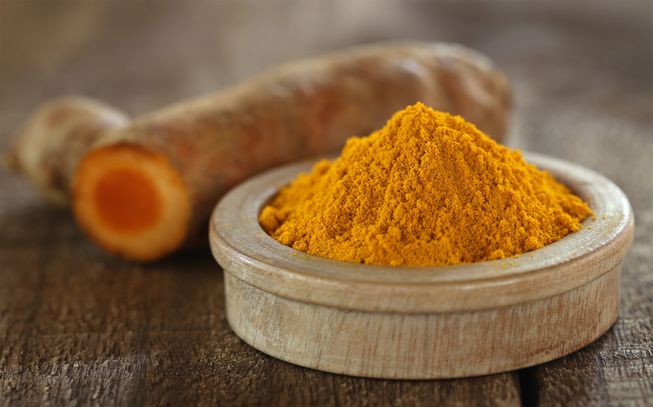
- Golden ashwagandha latte: A warming blend of turmeric, ashwagandha, almond milk and honey.
- Ashwagandha energy bites: Combine oats, almond butter, ashwagandha powder and dark chocolate for a nutrient-packed snack.
- Ashwagandha smoothie bowl: Blend frozen bananas, spinach, ashwagandha and coconut water, then top with fresh fruit and nuts.
- Ashwagandha chai: Infuse traditional chai tea with ashwagandha root powder for a calming twist.
- Ashwagandha bliss balls: Mix dates, cashews, ashwagandha and cocoa powder for a sweet, stress-relieving treat.
Ashwagandha’s reputation as a powerful herb is steeped in folklore. In ancient India, warriors were said to consume ashwagandha before battle to boost their strength and stamina. Similarly, it was often given to new mothers to aid recovery and enhance vitality. In modern times, ashwagandha has gained a following among athletes and fitness enthusiasts for its potential to improve endurance and muscle recovery.
Ashwagandha’s enduring legacy as a healing herb is a testament to its remarkable versatility and efficacy. From its ancient roots in Ayurveda to its modern applications in stress management and immune support, ashwagandha continues to prove its worth as a natural remedy for a wide range of health concerns. Whether consumed as a tea, capsule or culinary ingredient, this adaptogenic powerhouse offers a holistic approach to wellness that resonates with people across the globe.
Watch just how Ashwagandha helps with the adverse effects of stress.
This video is from the Natural News channel on Brighteon.com.
Sources include:
Submit a correction >>
Tagged Under:
adaptogen, alternative medicine, ashwagandha, Cures, healing, health science, herbal medicine, Herbs, mental health, natural cures, natural health, natural medicine, Naturopathy, phytonutrients, plant medicine, remedies
This article may contain statements that reflect the opinion of the author
RECENT NEWS & ARTICLES